 CODDY is finalist of international award #MyVmeste 2022 in “Responsible business” nomination
 CODDY is GOLD GLOBEE® WINNER in category Company of the Year | Franchise
 CODDY is official partner of Acer company
 Coddy Donate is participant in the competition of projects in the field of social entrepreneurship "The best social project of the year-2022”
 The charity project “Free coding classes for kids with special needs” is recognised as the Best social online project
 CODDY courses are certified in accordance with European standards and accredited by HiSTES (High School Teachers European Society)
 en
en
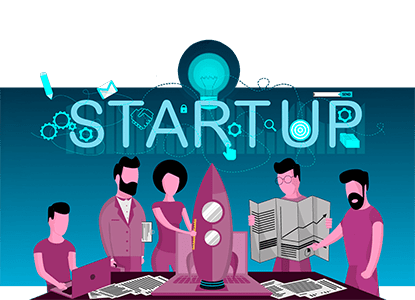
Your child develops a business idea, builds a website or online community, designs branding and a pitch - and presents the finished project like a real entrepreneur.
Builds a real online project from scratch - from idea to final pitch
Internet entrepreneurship is the skill of turning knowledge, hobbies, and abilities into a product you can sell online - through a website, blog, Telegram channel, social media, online course, or game. Unlike traditional business, it's accessible to teens right now, with no need for capital, a storefront, or paperwork.
Core idea: Superpower = what you love + what you're good at + what people praise you for. That combination becomes the foundation of the student's business idea, which we help shape into a real project.
Teens can start earning online today by leaning into their strengths and interests. Online business is more accessible than a traditional one: lower costs, no rent, a fast launch from home, and access to a global audience - while building independence and future-ready skills.
What's needed: a computer or laptop and a stable internet connection.
This course gives your teen a project to call their own: it builds independence and confidence, teaches them to follow an idea through to results, and shows them that their interests have real value.
The course follows an entrepreneur's journey: Idea → Website → Promotion → Pitch. Students run their own project from first idea to final presentation, supported by a teacher at every step. Duration: 5+ months (40+ hours); format: individual or group.
Students find a business idea rooted in their own interests and strengths, define their target audience and the value of their product, test the idea's viability, and build a first prototype.
We cover promotion channels, project branding, buyer psychology, and how to craft a compelling pitch. Students prepare a strategy for reaching their audience.
Students build a landing page for their project, learn the basics of web design, SEO, and social media marketing, work with key business metrics, and prepare a final pitch deck for "investors."
Students learn to analyze and improve their project: financial and situational analysis, managing change and resistance, and building leadership skills.
We build negotiation, persuasion, and teamwork skills, and teach students how to network and present themselves - a final hands-on networking workshop.
By the end, students walk away with a finished online project and a personal CODDY certificate.
Proof of achievement: a personal CODDY certificate plus a finished project for the student's portfolio.
Classes are held online and in person, individually or in a group, with live teacher support at every stage of the project. Students don't just absorb theory - they apply it to their own idea immediately and get real-time feedback.
Not sure if this course is the right fit? Start with a free trial lesson - no commitment required.
Book a Free Trial Lesson
Request a Consultation
A 13-year-old turned her love of music into a Telegram bot that suggests playlists based on mood. She built a landing page for the project, wrote social media copy, and ran a first test launch among classmates.
A 15-year-old launched a channel with short videos and posts about reducing waste in everyday life. Within a month he built an initial audience and drafted a partnership plan with a local zero-waste shop.
A 14-year-old designed a platform where teens trade short lessons in their hobbies, from skateboarding to drawing. He built a site prototype, outlined the business model, and pitched the project to his class as a final deck.
The course is taught by practicing CODDY mentors with backgrounds in tech, business, and public speaking - they don't just explain theory, they help students carry their own project through to a real result.
Nikita P. - Teaches programming, web development, financial literacy, and internet entrepreneurship. Helps students move from idea to working prototype.
Yulia D. - Teaches internet entrepreneurship, cybersecurity, and financial literacy, with a focus on practical business metrics and safe online practices.
Irina G. - Teaches public speaking, internet entrepreneurship, and communication. Helps students confidently pitch their projects.
★★★★★ Dmitry, father of Vadim, 15 - "My son loves it and praises the teacher - he says it's been fun and genuinely useful. A real, hands-on startup course, not dry theory."
★★★★★ Sasha, 14 - "I came up with my own project and built the website for it myself. Module 3 was tough, but I liked that the teacher didn't just hand me the answer - he helped me figure it out."
If internet entrepreneurship clicked with your teen, these CODDY courses are a natural next step:
Blogging & New Media - a course on building and growing content, a logical follow-on for students whose project relies on a personal brand or social media.
TikTok Producer - building and growing a TikTok channel from scratch, from the first video to monetization - a fit for content-driven projects.
Financial Literacy - core money management skills that reinforce the entrepreneurship modules.
Choosing a Future Profession - a career-orientation course that connects entrepreneurial ambition with future career paths.
Communication Mastery - builds negotiation and presentation skills - directly relevant to Module 5, "Connections."
CODDY's "All-round Development" category page: a curated set of soft-skills and entrepreneurship courses for kids and teens.
Forbes, "A Company of Friends: How to Manage a Team of Young Programmers" on CODDY's approach to teamwork among teen project builders.
Ready to help your teen launch their first online project? Book a free trial lesson today.
Computer System Requirements:
Software Setup Guide:
Age:12-16
Level:
beginner-friendly, no experience required
Course duration:
5+ months (40+ hours)
Format:
individual or group, online and in-person
Price:
from $19.5/hr individually online.
*The course is designed for children 12 years and older. However, depending on your child's level and interests, the age may vary. Also, keep in mind that children of different ages may have different preferences for teaching methods and may require an individualized approach.
More photos