 CODDY is finalist of international award #MyVmeste 2022 in “Responsible business” nomination
 The charity project “Free coding classes for kids with special needs” is recognised as the Best social online project
 Coddy Donate is participant in the competition of projects in the field of social entrepreneurship "The best social project of the year-2022”
 CODDY is GOLD GLOBEE® WINNER in category Company of the Year | Franchise
 CODDY is official partner of Acer company
 CODDY courses are certified in accordance with European standards and accredited by HiSTES (High School Teachers European Society)
 en
en
Illustrations are the key to visual perception, a world where every line and color creates its own unique story. From ancient times, drawings, graphics and photographs have served as a powerful communication tool, enriching text and improving understanding of the material.

Dive into the world of lines, colors, and shapes to understand how illustrations enrich our perception and make information more accessible and memorable.
An illustration is a visual image or drawing created to supplement, explain, or embellish text. An illustration is a graphic representation of ideas, scenes, objects, or concepts using a variety of artistic techniques.

Example of an illustration
Illustrations play an important role in conveying information and communication, enriching the perception of content and making it more accessible and appealing to the reader or viewer.
Illustrations can be produced in a variety of styles and techniques, including drawings, photographs, computer graphics, vector graphics, and other artistic techniques.
They are used in various fields such as literature, education, medicine, advertising, design, and many others to effectively convey information and evoke certain emotional and positive reactions in viewers.
From a drawing to a masterpiece! We invite you to an exciting Adobe Illustrator course for beginners. Here you will learn how to compose and create layouts in the graphic editor, learn the basics of colorism and proportions, create your own illustrations in several styles. Awaken the artist inside your child!
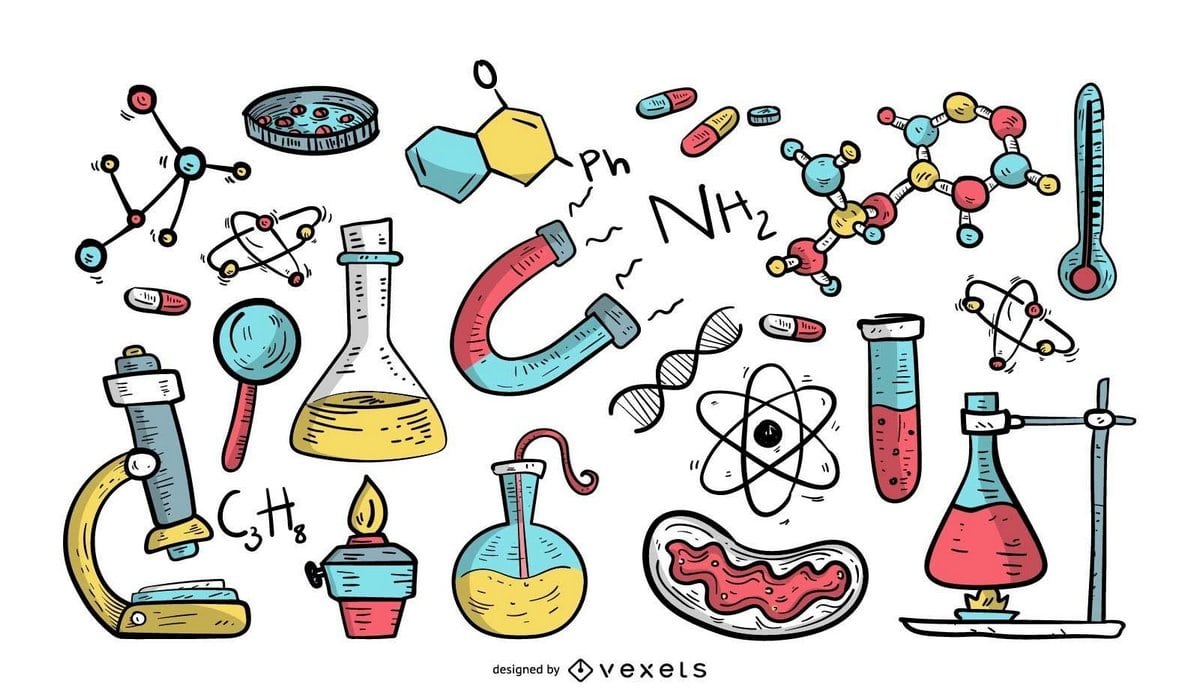
Elements of Illustration
Illustrations are of two types - scientific and cognitive (maps, charts, diagrams, graphs, etc.) and artistic and figurative (fiction).
Also, illustrations can be varied and categorized into different types depending on the nature of their purpose, style of execution and technical features. The following are some of the main types of illustrations:
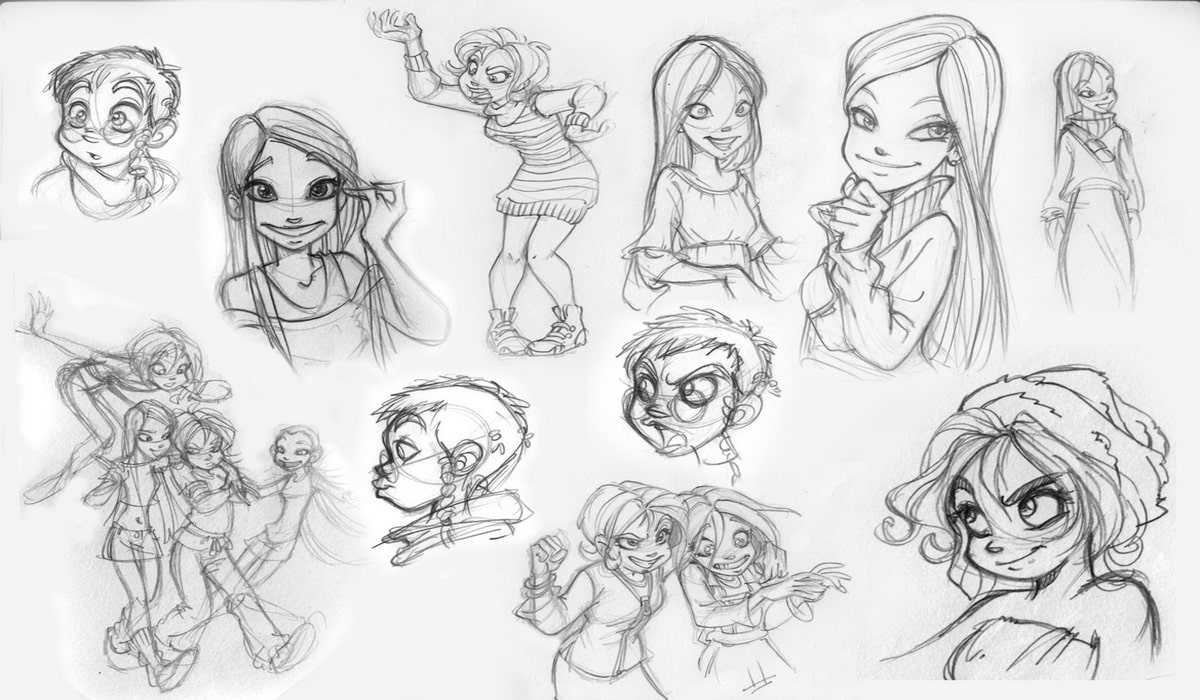
Techniques: from hand strokes to graphic plans.
Applications: illustrations for books, magazines, comics.
Technique: digital photography, analog photography.
Application: illustrations for magazines, advertisements, websites.

Technique: graphical representation of structure and relationships.
Applications: explanation of processes, scientific and technical materials.
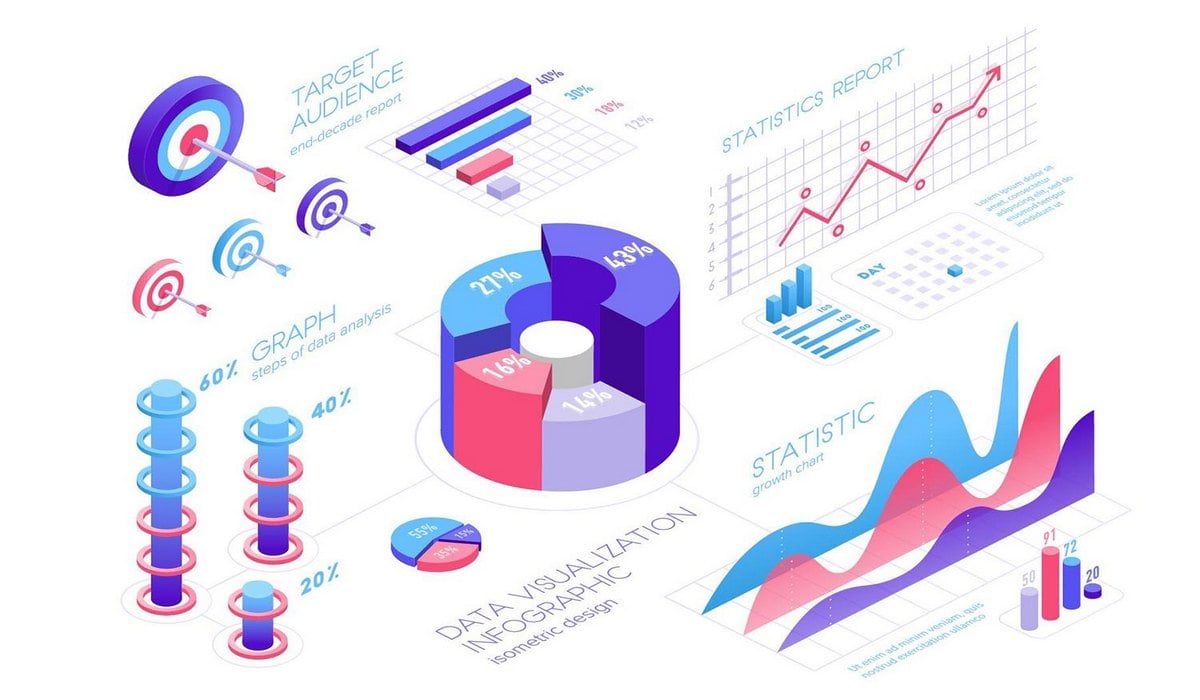
Technique: combination of text and graphics to visualize data.
Application: summarizing complex information, statistics.
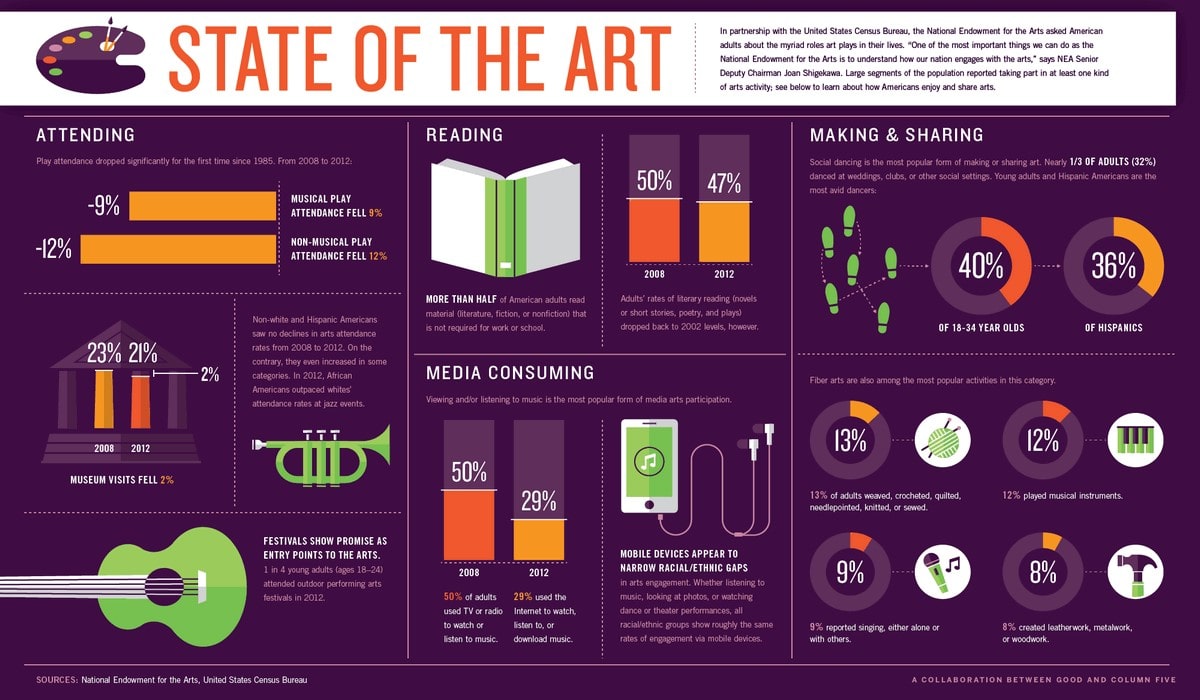
Technique: use of vector graphics programs.
Application: logos, icons, illustrations for print and web.

Technique: creation using graphics tablets and computer programs.
Applications: game graphics, art projects.

Technique: visualization of anatomy, biological processes.
Application: medical textbooks, scientific research.
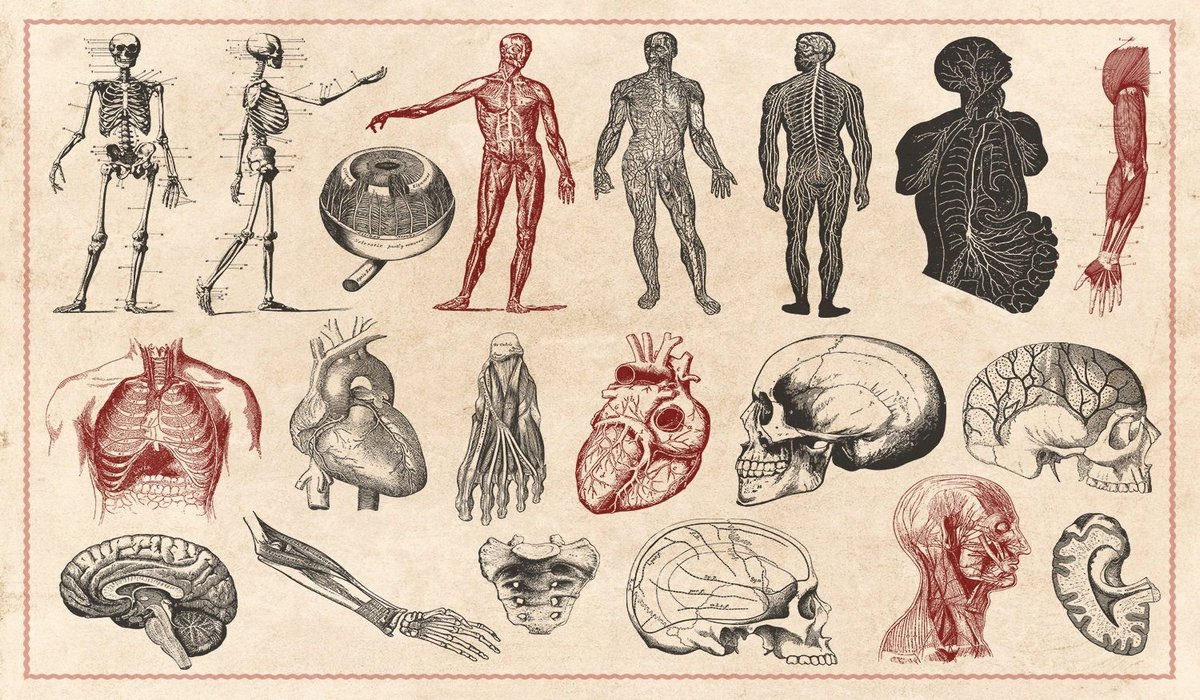
Technique: use of sequential images and text.
Application: entertainment literature, web comics.

Technique: moving images to create movement.
Application: cartoons, commercials.

Web Illustrations
Technique: traditional or digital artwork methods.
Applications: illustrations for books, covers, posters.

The use of illustration covers a wide range of fields where visual elements become an integral part of communication, enriching the perception of information and enhancing the effectiveness of interaction.
Let's look at how illustration is applied in a few key areas.
Educational materials: illustrations in textbooks, presentations, and lectures help students better understand complex concepts.
Scientific research: graphics and diagrams are used to visualize data and experimental results.

Medical textbooks: illustrations of anatomy, pathology, and surgical procedures help in the education of medical personnel.
Patient information: visual materials are used to explain diagnoses and treatment procedures to patients.

Advertising campaigns: attractive graphics attract the attention of consumers.
Infographics: using statistics and facts in an easily accessible form to enhance the effectiveness of advertising.

Web design: illustrations enhance user experience and visual perception of websites.
Social media: visual content attracts attention and increases subscriber engagement.
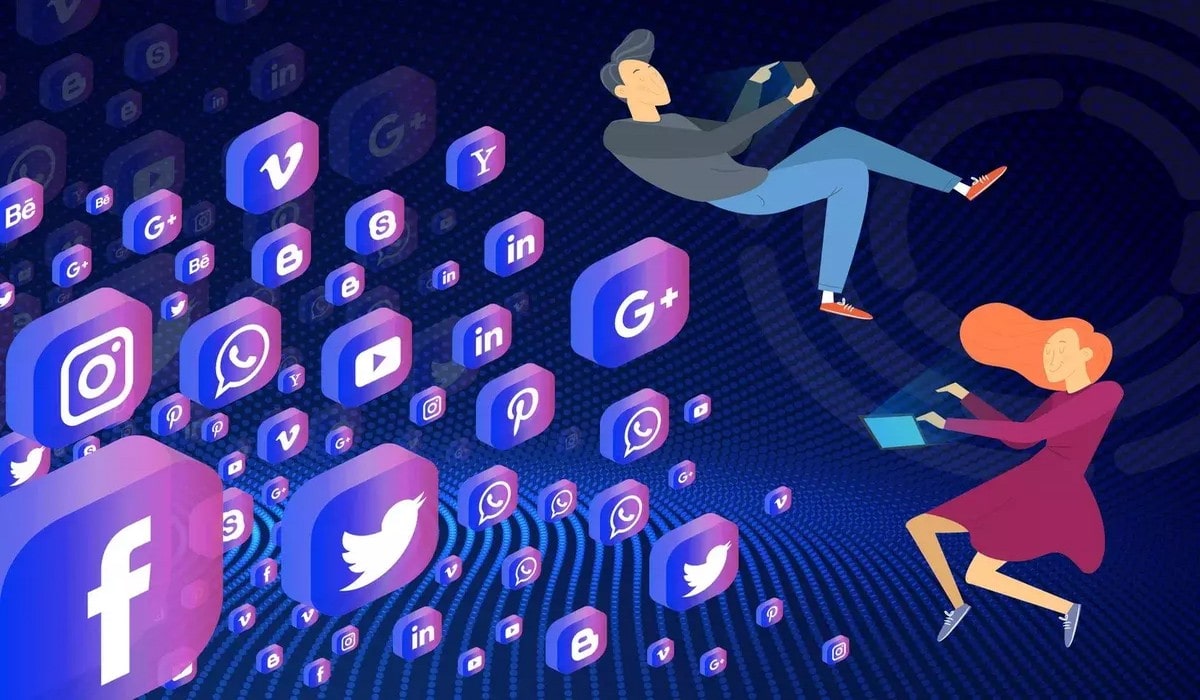
Game Design: illustrations create visual worlds, characters, and gameplay elements.
Concept art: visualization of ideas and design before the game development process begins.

Architectural designs: visual representations help clients understand concepts and construction plans.
Graphic design: illustrations are used to create logos, brands and promotional materials.

Illustrated books: visual elements complement text and add artistic character to works.
Illustrations in art: artists use illustrations to express their ideas and creative vision.

Graphics in news: illustrations and infographics help readers better understand events and trends.
Photo reports: illustrations for news and articles enrich the visual aspect of the information material.

Visuals: illustrations help to explain learning materials and make the learning process more interesting.
Animations: videos with illustrations make complex topics easier to understand.

Step into the world of art! CODDY presents the Sketching course. Learn the principles of sketching, composition and layout, familiarize yourself with human and animal anatomy. Start realizing your creative ideas!
Using illustrations requires not only artistic talent, but also a strategic approach to incorporating them into your content.

Effectively combining text and graphics can significantly improve the perception of information and increase audience engagement.
Let's take a look at key tips for using illustrations effectively.
Following these tips will help make your use of illustration more effective and inspiring for your audience.