 CODDY is finalist of international award #MyVmeste 2022 in “Responsible business” nomination
 Coddy Donate is participant in the competition of projects in the field of social entrepreneurship "The best social project of the year-2022”
 CODDY is official partner of Acer company
 CODDY courses are certified in accordance with European standards and accredited by HiSTES (High School Teachers European Society)
 CODDY is GOLD GLOBEE® WINNER in category Company of the Year | Franchise
 The charity project “Free coding classes for kids with special needs” is recognised as the Best social online project
 en
en
The field of programming is now rapidly developing – and will continue to develop and be actively used for many years to come. Universal digitalization, which is why programming is so popular, creates an excellent foundation for studying this profession, and at the same time it is a good start for beginners.
A simple desire is not enough – to begin with, a student should find something to start from in learning programming. It should be something that he will be interested in understanding and working on at first.
For example, if he plays games and wants to create them, you can start with the appropriate literature, for example, Programming with Minecraft by Craig Richardson. This book talks about complex things in a simple and playful way – everything you need to start programming.
If a child is interested in robotics, chip assembly and other computer components, he will definitely like Arduino boards, with which you can create anything from LED lamps to quadrocopters. This will not only allow him to express himself creatively, but also help him learn the C++ programming language – one of the most popular in the IT field.
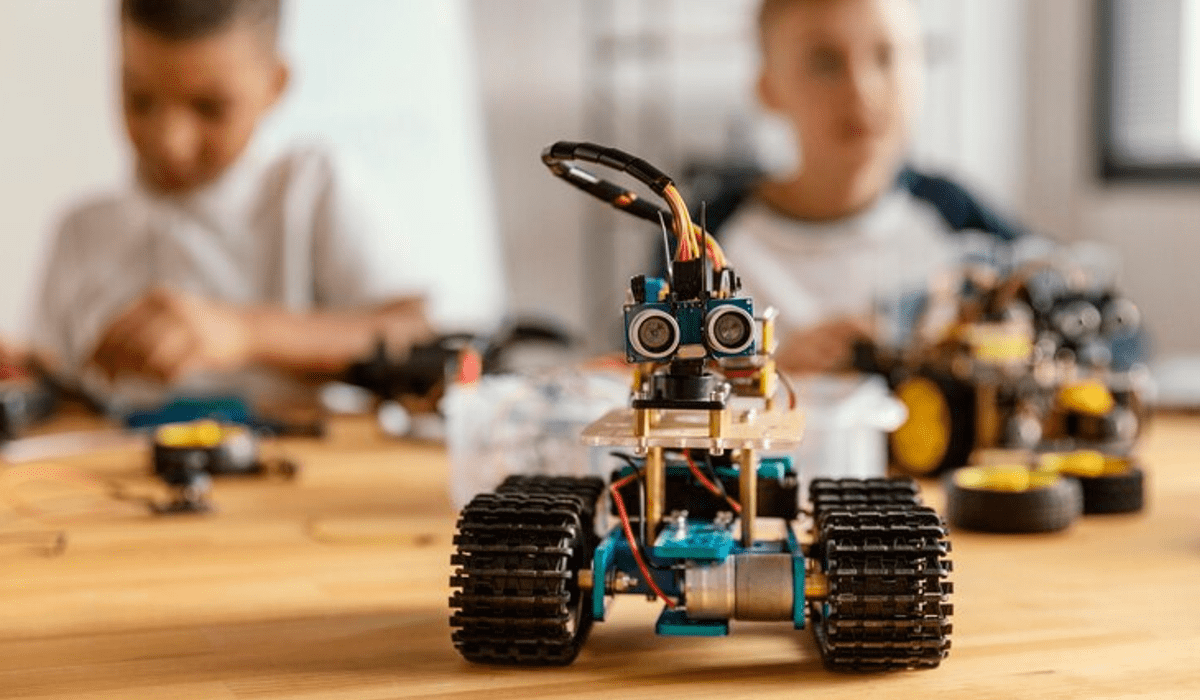
Creative approach is appreciated in IT, and training should be appropriate. Don't be afraid to experiment!
Mathematics, physics and computer science are not only the necessary examinations for admission, but also the base necessary for a programmer. Focus your attention on these disciplines in order to gradually “integrate” into programming and successfully enter the university.
Computer science is perhaps the closest thing to pure programming. Tell the teacher about your aspiration and, perhaps, get a good mentor who will help you navigate at the beginning of the path.
It is also important to find a university in advance. Study the universities in your region for suitable specialties, a passing grade for admission and reviews. We recommend choosing universities with teachers who are practicing specialists: this way students will have a more relevant program and an idea of the profession.
Mathematics is a mandatory exam for admission to any IT faculty. The CODDY programming school will help you get the best score. They come to the leading universities of the country with us.
Programmers of all stripes start with the basics: computer skills, basic knowledge of code, English and exact sciences. That's where their similarities end – someone goes entirely into coding, someone into design, and so on. Here is a generalized list of IT areas in which you can work:
Of course, these areas are divided into many professions, and if your eyes run away at the beginning of the path, you don't have to choose right away. You can try yourself in different fields, and then use the accumulated experience in one. In fact, many professions in programming are related and require a wide range of knowledge.
Knowing which field the child wants to study, it will be easier to choose programming languages and other necessary disciplines to study. Or on the contrary, you can start from the language you like – one way or another, something suitable will definitely be found.
In the Internet age, information is much more accessible: we have access to hundreds of video tutorials, websites, and other resources to help you learn anything. Programming, as one of the most relevant work areas, has more than enough of them – for both adults and children.
Start with free resources – all the basic knowledge is publicly available. For example, the website Code.org teaches children programming from scratch and helps to consolidate their knowledge with their favorite games in the most used programming languages, and gradually go from simple to complex. The site is completely free and supports the Russian language.
There are many ready-made video courses on the Youtube platform that help you understand specific programs and learn how to work with different languages. It is best to study video courses at children's programming schools: they provide information specifically for children.
For example, the Youtube channel of the CODDY programming school offers many video tutorials on working with the languages and programs most necessary for a programmer for children and teenagers - from coding to design.
It is also very convenient to start learning programming from books – these are proven manuals specifically for schoolchildren, to which you can return at any time, regardless of the computer and the Internet.
We have already talked about "Programming with Minecraft", and this, of course, is not the only programming textbook for children. Here are some other great books that will help your child understand computers and coding:
The best option for those who are determined to study. The courses provide not only structured information, but also mentors who give feedback throughout the training.
If you want to start with a free one, Stepik is an online platform with courses on a variety of topics, including programming. Here you can find both paid and free courses authored by schools and practicing programmers.
For more thorough learning, online and offline classes in children's programming schools are best suited. They have reviews and social networks where a report is kept on the activities of the school and the results of students – you will know what to expect from a particular course.

We recommend offline classes - they will help you tune in to the learning process and find like–minded people in the group.
In addition, often the result of a course at school is a certain final project, a “thesis”, which can then be included in your professional portfolio. This opportunity will definitely not prevent programmers who are preparing to start their careers.
Not only lessons and textbooks, but also games contribute to the development of programming skills. These can be designed robots and board or video games that help you understand and master algorithms and programming.
For example, the LEGO Mindstorms series of robot toys is equipped with a variety of sensors and communication modules, just like in real robots, and allows a child not only to assemble a constructor, but also to make it move using a code over Wi-fi and Bluetooth.
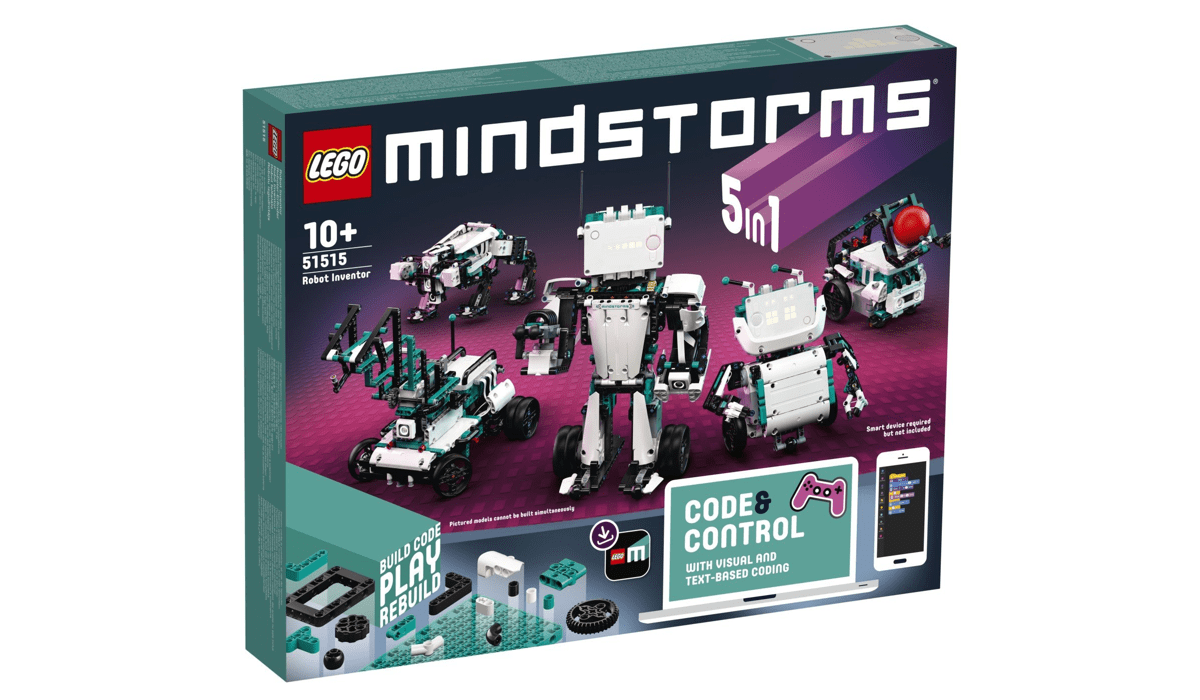
LEGO provides a wide space for creativity and learning.
If you want to start with something theoretical, the board game "Code Master" is ideal for novice programmers. With it, both children and adults will understand the basics of combinatorics and understand the structure of cycles and algorithms: everything you need to start your computer journey.

Board games allow you to have fun with your family!
There are quite a lot of computer and mobile games that teach programming. For example, the online platform Coding Games teaches programming from scratch and does not let coding experts get bored. It offers single and cooperative games and teaches a variety of programming languages in a playful way. It is also absolutely free.
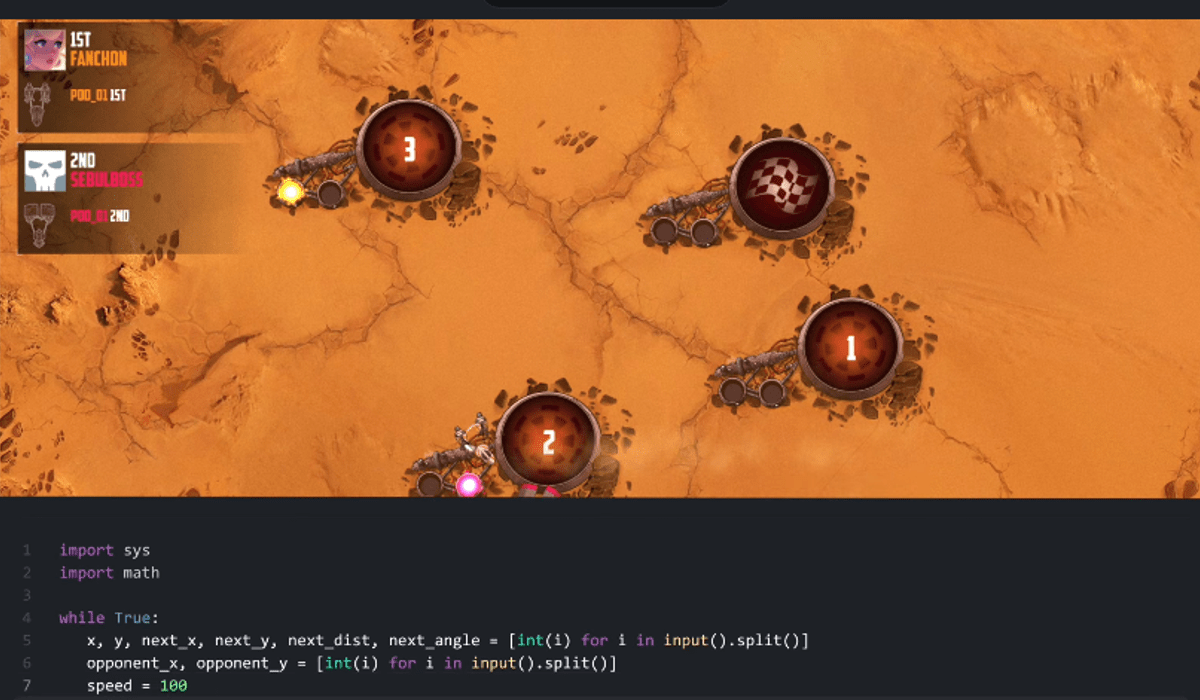
Both children and adults can learn programming at Coding Games.
Such games train the brain and form useful skills, but do not forget about rest. Allow the student to play simple, uncomplicated games from time to time, especially if he wants to create them. Understanding how the product works and personal experience of using it will undoubtedly help him in the future.
Now it is difficult to imagine a skilled programmer who does not know English at least at a basic level. Programming languages are based on it, operating systems are written and all the news of the IT world is published. In addition, many IT companies are moving to the international level, where English is becoming mandatory.
At the beginning of the journey, it is best to study the language in parallel with computer science. You can start by translating the basic things and necessary programs – what they are called in English, what they do and how they work.
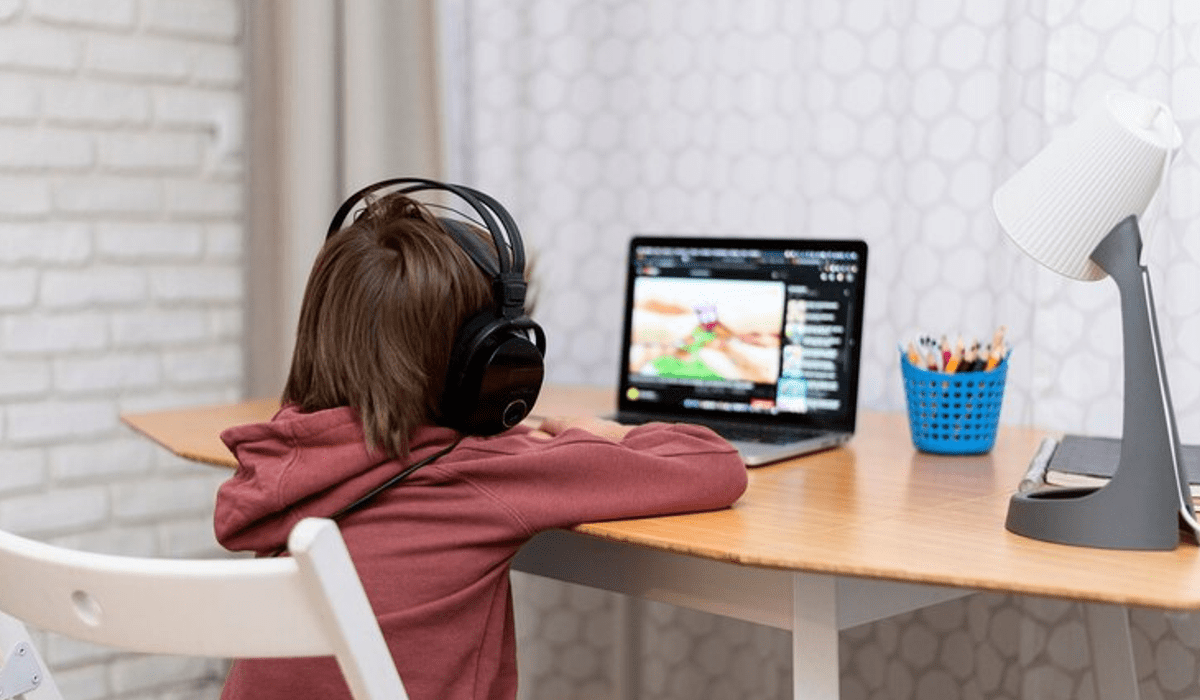
Confident computer users can try to change the system language. The basic buttons and some simple expressions will be remembered so quickly.
Do not forget about the school English course – it teaches simple everyday things and a basic understanding of the language, on which you can string your own technical vocabulary.
A programmer is a promising profession of the future, the path to which should be started as early as possible. CODDY programming school will help in this: we have been teaching young programmers for more than five years.