 CODDY is GOLD GLOBEE® WINNER in category Company of the Year | Franchise
 Coddy Donate is participant in the competition of projects in the field of social entrepreneurship "The best social project of the year-2022”
 CODDY is official partner of Acer company
 The charity project “Free coding classes for kids with special needs” is recognised as the Best social online project
 CODDY courses are certified in accordance with European standards and accredited by HiSTES (High School Teachers European Society)
 CODDY is finalist of international award #MyVmeste 2022 in “Responsible business” nomination
 en
en
In the world of digital gaming, few titles have impacted education and creativity as profoundly as Minecraft. With over 141 million active players worldwide, this global phenomenon has evolved into more than just a game—it’s a powerful tool for fostering social skills, teamwork, and cognitive development in children.
The Hidden Potential of Minecraft in Child Development
Boosting Language and Social Skills
The Safe Gameplay Equation
Beyond the Game
Building a Brighter Future One Block at a Time
What sets Minecraft apart from other video games? Unlike traditional competitive games focused on scoring points, Minecraft offers an open-ended sandbox where kids can build, explore, and collaborate. It's a virtual playground that encourages creativity, problem-solving, and cooperation. By teaming up to construct castles, design intricate machines, or survive in survival mode, children naturally develop their ability to work in groups, communicate effectively, and think critically.
Take, for instance, the process of building in Minecraft. To achieve their goals, kids must brainstorm ideas, delegate tasks, and tackle challenges together—all essential skills for thriving in the modern, interconnected world. Additionally, using the game’s endless possibilities, players enhance their digital literacy and even cultivate an interest in coding through extensions like Minecraft Education Edition.
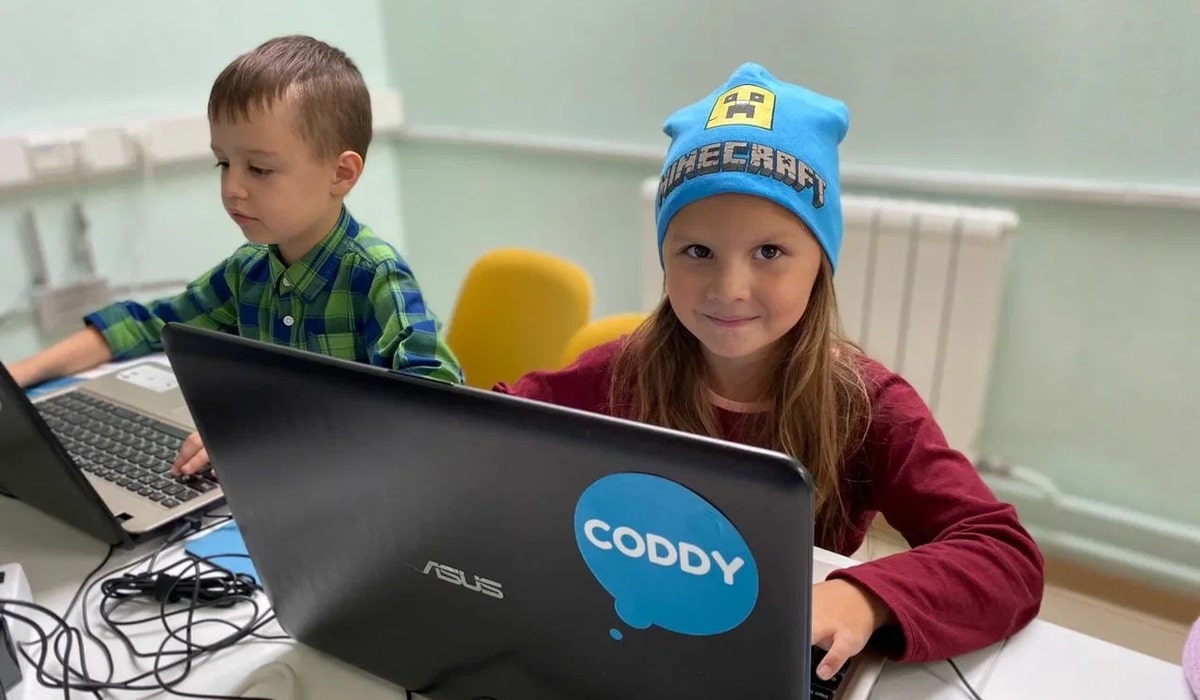
CODDY is also actively using Minecraft for educational purposes.
While Minecraft may look like just a game, it functions as a powerful educational platform. Research from the University of South Australia highlights how playing Minecraft collaboratively helps enhance language abilities and fosters social interaction. Whether swapping ideas over a tricky build or negotiating trades for resources, kids practice real-world communication in a low-stakes digital environment.
It’s not just about the individual either—Minecraft has been lauded as a tool for inclusivity, helping children with special needs or those who struggle in traditional social settings to engage with peers in a way that builds confidence and relationships.
Despite its benefits, Minecraft—as with any online platform—comes with potential risks. Cyberbullying, exposure to inappropriate content, or interactions with strangers on public servers are valid concerns. That’s why parents and educators must take an active role in ensuring children play safely.
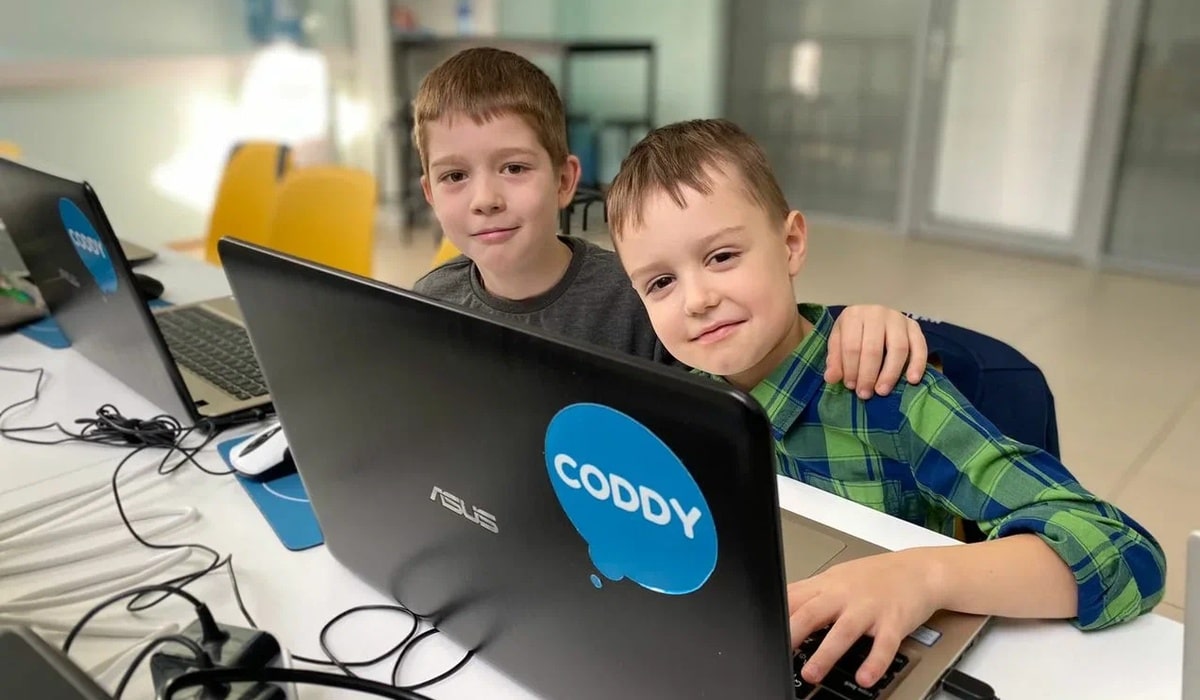
As with any online game, it is important to follow safety and communication rules in Minecraft.
To maximize the benefits while mitigating risks, here are some actionable recommendations for guiding kids during their Minecraft adventures:
Minecraft’s impact isn’t limited to children’s digital lives—it bridges the gap between entertainment and real-world applications. For example, schools worldwide have incorporated Minecraft into their classrooms, using it to teach geography, history, and even architecture. Kids can virtually reconstruct ancient ruins, learn about ecosystems, or simulate city planning—making it much more than just a pastime.
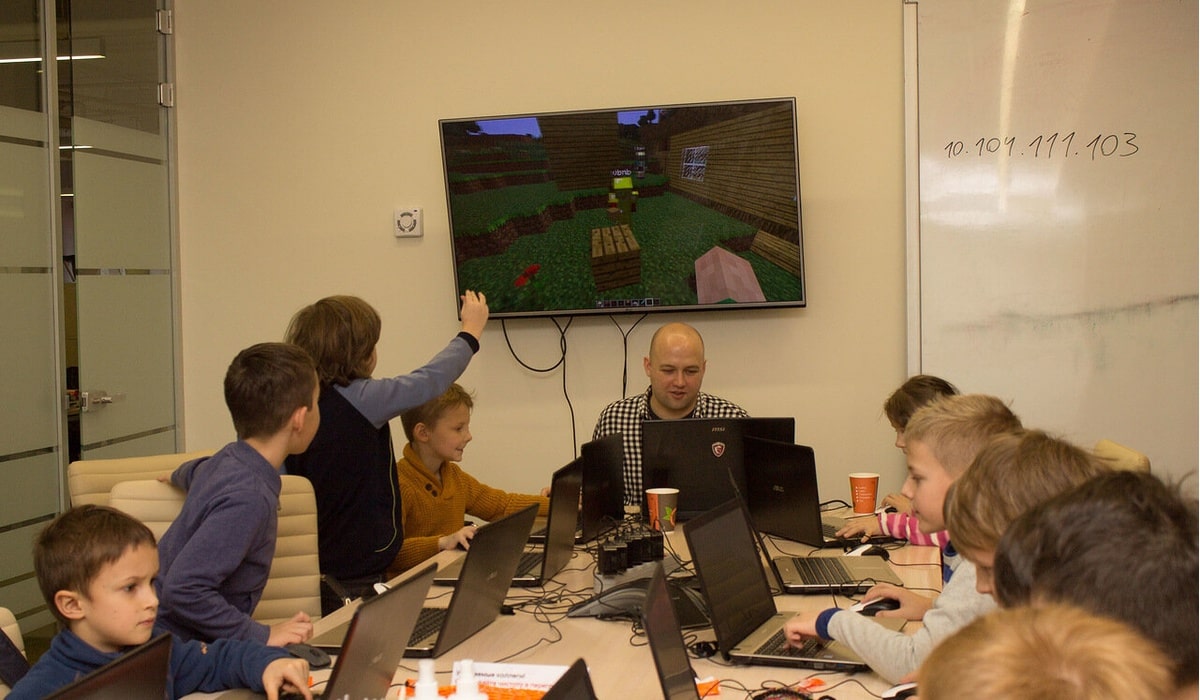
Using Minecraft in education opens up many new possibilities and makes learning more interesting.
Minecraft empowers kids to imagine, create, and solve problems collaboratively, equipping them with vital skills for the 21st century. It’s more than a game; it’s a launchpad for growth, creativity, and connection.
By encouraging guided, safe, and balanced gameplay, parents and educators can ensure children fully benefit from Minecraft’s educational value while avoiding potential pitfalls. After all, in a world rapidly being shaped by technology, learning through play might just be the most effective building block of all.
Sign up for CODDY Minecraft courses and start building your kid’s future together!
Do your kids play Minecraft? Share your experiences and favorite tips for creating a safe and enriching environment in the comments
Read also:
Roblox: What Is It, and How Can Parents Navigate the World of Kids’ Games