
CODDY – победитель премии GLOBEE® в категории Компания Года I ФраншизаCODDY is GOLD GLOBEE® WINNER in category Company of the Year | Franchise

CODDY - официальный партнер AcerCODDY is official partner of Acer company
Проект «Бесплатное обучение программированию для детей с особенностями развития и из детских домов» признан лучшим социальным онлайн-проектомThe charity project “Free coding classes for kids with special needs” is recognised as the Best social online project

Курсы CODDY сертифицированы в соответствии с европейскими стандартами и аккредитованы HiSTES (High School Teachers European Society)CODDY courses are certified in accordance with European standards and accredited by HiSTES (High School Teachers European Society)
CODDY – финалист международной премии #МЫВМЕСТЕ 2022 в номинации «Ответственный бизнес»CODDY is finalist of international award #MyVmeste 2022 in “Responsible business” nomination

Лучший социальный проект года 2022Coddy Donate is participant in the competition of projects in the field of social entrepreneurship "The best social project of the year-2022”

Up

09
Apr
09.04.24
All about cyberattacks
This article will talk about cyberattacks. We will tell you what kind of malware there are, what helps to protect against them, how one virus caused a billion dollars worth of damage to the economy, etc.
All about cyberattacks

All about cyberattacks

Usually, cyberattacks are defined as either malware or DDos. Depending on the type of virus, they can either steal confidential data or partially paralyze the work of the company.


Content ▼      

  1. Types of cyberattacks
  2. How cyberattacks affect society
  3. How can I protect myself from cyberattacks?
  4. The problem of cyberattacks
  5. What do you usually do when a cyberattack occurs?
  6. How do small companies protect themselves from cyberattacks?
  7. The most massive cyberattacks


Types of cyberattacks

          Phishing

How does it work? When scammers send an email purportedly from a bank that asks for a password, login or personal information. Then you go to the site, enter your login and password, and it turns out that the address differs by one letter. The obtained data is stored by the attackers.

Why are they using it? Phishers are interested in information that gives access to money or data that can be ransomed. Banks or commercial organizations are the most common victims of phishing.

What's happening now? As users are becoming more aware of the dangers, they click on strange links less often. That's why scammers have come up with a concept called pharming. They send viruses to the PC. The user goes online, enters the name of the site, and the virus takes him to a fake site.
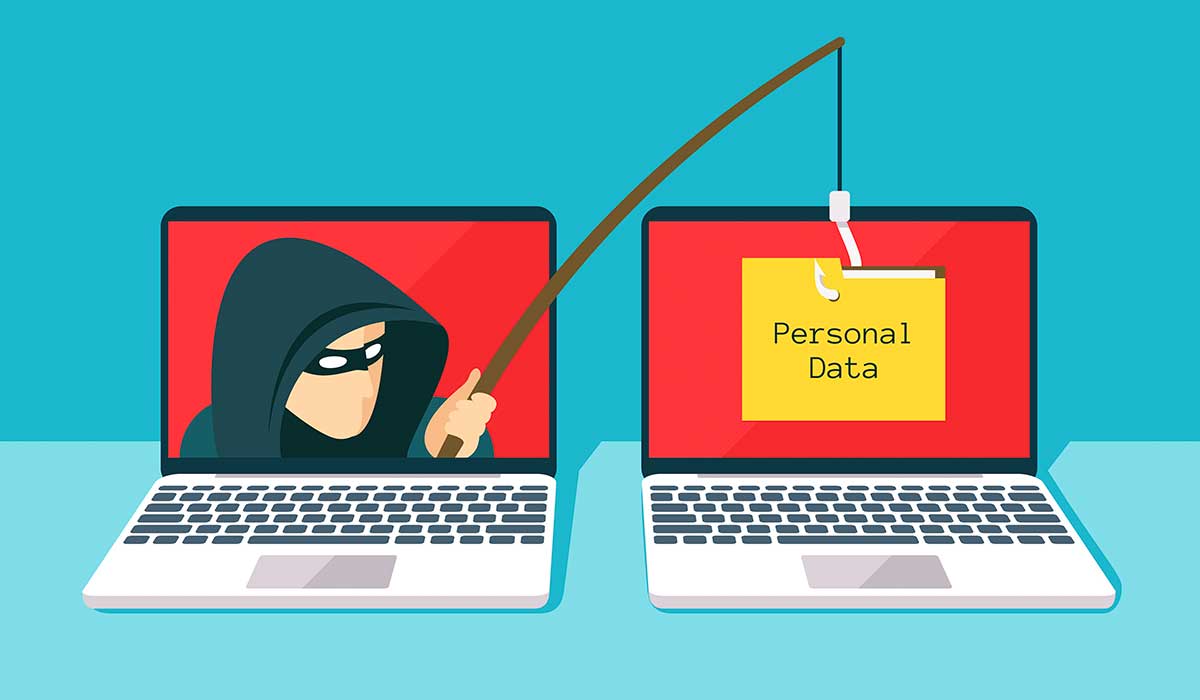


There is also a concept called vishing. The phone receives a call ostensibly from an employee of a bank or other enterprise. Under various pretexts, he is trying to get out the data of the bank card.

          DDos

How does it work? A lot of requests are sent to the server. For example, it can process several thousand requests per day. Attackers take advantage of this and send tens of thousands of fake requests. As a result, the speed of processing user requests slows down.

Why do they use it? Attackers demand money for stopping DDos. Often it is cryptocurrency, since this method is more difficult to track. Protection from such attacks is engaged in special organizations. Although DDos-attacks are becoming more and more, to get money for success is increasingly rare.
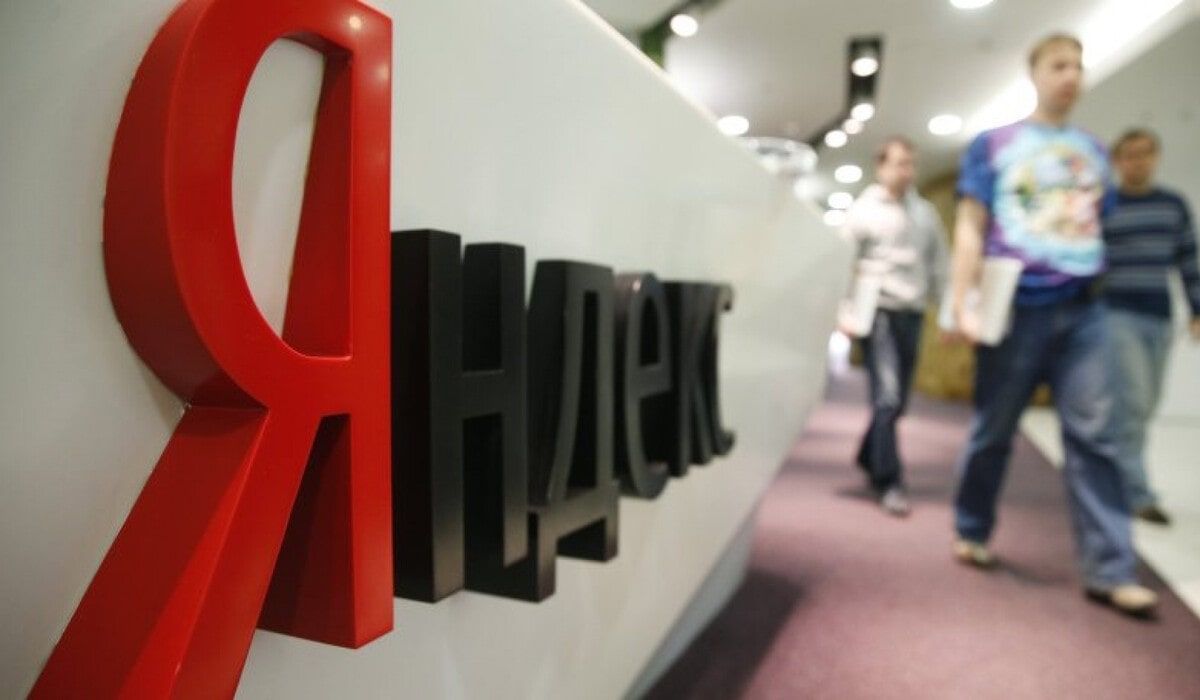


In 2021, Yandex was hit by the largest DDos attack on the Runet, involving thousands of devices. But since with this type of cyberattack learned to cope, users almost did not notice changes in the work of services.

          Malware

When a user downloads "safe" software, they receive a virus. A dangerous program can steal data from the PC and infiltrate the network. The range of viruses in this area is extensive. There are, for example, blackmail programs. They block access to files until they receive a ransom.
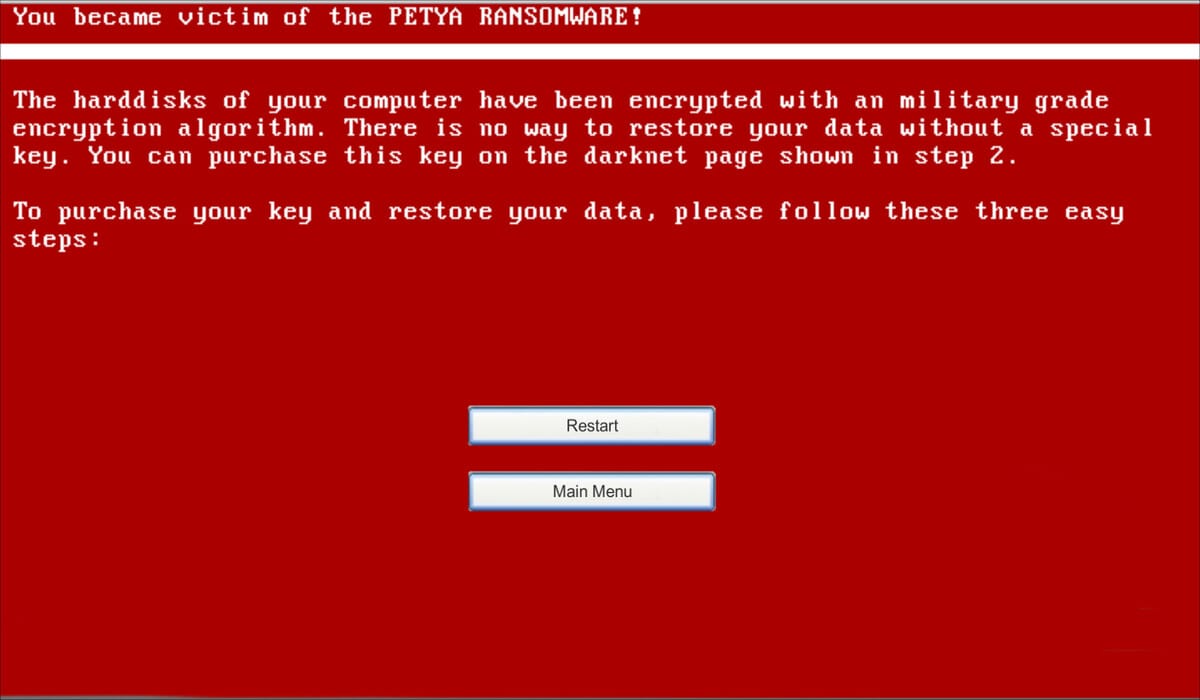


There are about half a billion unique virus files in the world. This is what one of the most malicious programs, the Petya virus, looks like.


Let's look at the most common types of viruses:

  • Trojan. A dangerous program that masquerades as a safe program. Most often steals or destroys certain data.
  • Spies. Prefer to steal information from the computer.
  • Miners. Farming cryptocurrency. Especially active if they get on a powerful PC. Hide from users during simple checks (stop working while opening Task Manager or launching heavy programs).
  • Banner blockers. Instead of the desktop, a banner appears, where it says that the computer is blocked and you need to transfer money to some account. Often hackers simply intimidate users. So, they can write that in case of non-compliance, the data from the PC will be deleted. This can be both false and true.
  • Backdoor. An attacker gains remote access to the system. He can delete files, access confidential data, etc.
  • Worm. A malicious virus that spreads to other computers through the network.

There are also viruses that wait for a command from a hacker. Once on a PC, they can activate in six months, a year, or any other time.

Both corporations and small businesses are susceptible to cyberattacks. Having a small business doesn't mean that some employee won't download a torrent with a trojan.

How cyberattacks affect society

Cyberattacks not only cause losses to corporations and other companies, they also harm ordinary people. The problem is, hackers have an extensive toolkit. They can spam, mine crypto or paralyze a major hospital and destroy all data on PCs.
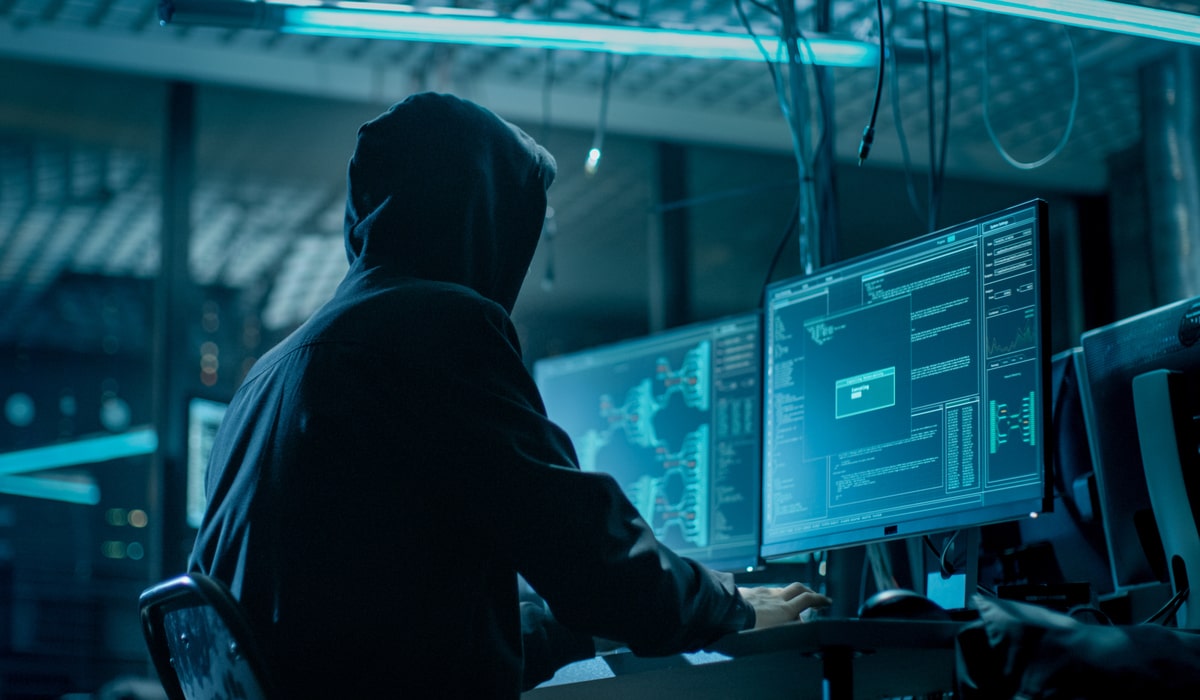


According to Kaspersky, targeted or targeted cyberattacks do the most damage to businesses.


Also, sometimes sensitive information is stolen and sold, resulting in third-party companies obtaining user data.

How can I protect myself from cyberattacks?

The most important thing in defending against cyberattacks is prevention. You don't have to address the problem if it doesn't exist.There are a few ways that can help:

  1. Install antivirus software. A regular Windows defender won't work, as it doesn't see many problems. You can simply download a popular antivirus.Kaspersky, Avast, Avira, and AVG are popular right now.

  2. Do not follow strange links and do not download files from sources you do not trust. This is especially true for torrents, where you may get a miner or a PC tracking program. For example, after downloading and installing a file, you may find a strange extension in Google that works as a VPN.


But if you need to download a file and you don't trust the service, VirusTotal can help. It analyzes links and files for malware. To check it, you just need to give a link to the site or file.


Here you can see the rating of antiviruses.


The problem of cyberattacks

It's cheaper to attack than to defend. The company can patch dozens of holes, but if even one remains open and the attacker finds it - the cyberattack will end successfully. That's why you need to constantly check your network for weaknesses.

The cost of strengthening the defense and an attempted hack can differ tenfold.And there are more regular hackers than white hat hackers. Cybersecurity specialists are constantly in short supply, and the larger the company, the more experienced programmers it needs.

Firms are trying to solve this problem.They do this by finding holes through controlled cyberattacks.You've probably heard yourself how big companies offer rewards to hackers who find a weakness in the system.
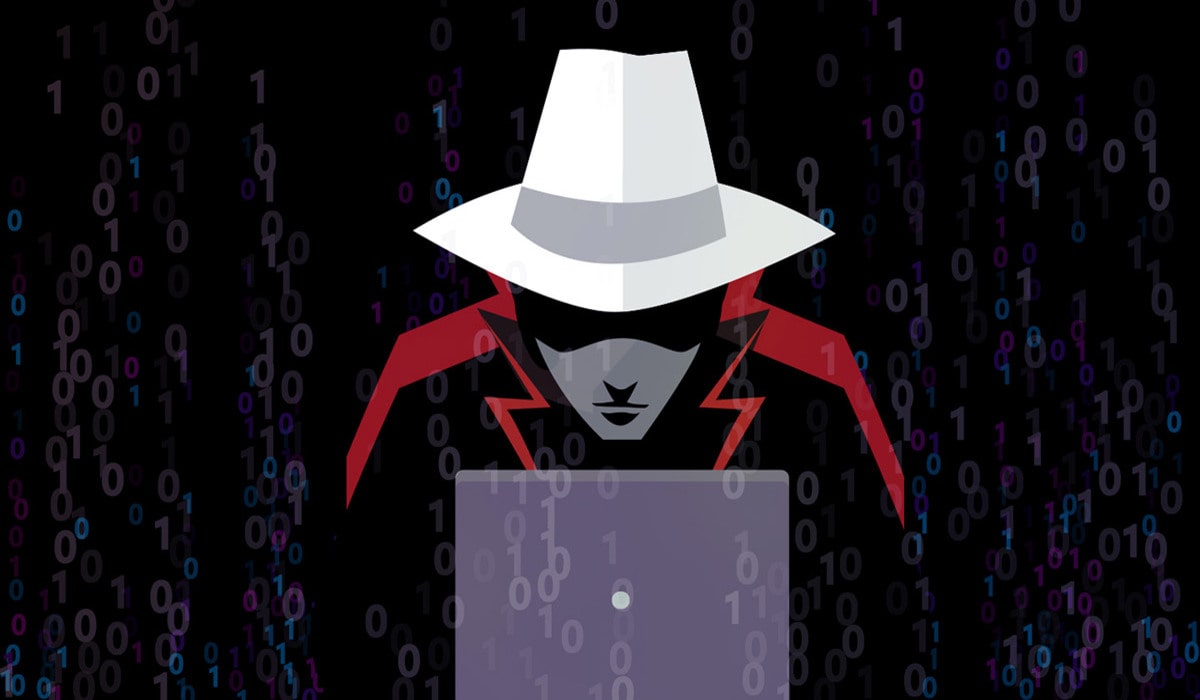


White hackers specialize in computer security.They find holes in a system and patch them.

What do you usually do when a cyberattack occurs?

If prevention hasn't worked, the countermeasure plan looks like this:

  • A team is mobilized. Experienced programmers receive a request to solve the problem.
  • The type of virus is determined. It is necessary to understand what weakness caused the cyberattack.
  • They try to neutralize the problem. To do this, passwords are changed, the infected network is disconnected from the Internet, traffic is redirected, etc.
  • Recovery and damage. You will have to check what exactly was damaged.Broken hardware is replaced, data is restored from backups, and all software is reinstalled.
  • Report of a cyberattack. For such an eventuality, there may be insurance to cover possible losses.Also, companies report to the appropriate authorities about the attack.

After that, there is work on errors and another patching of holes.
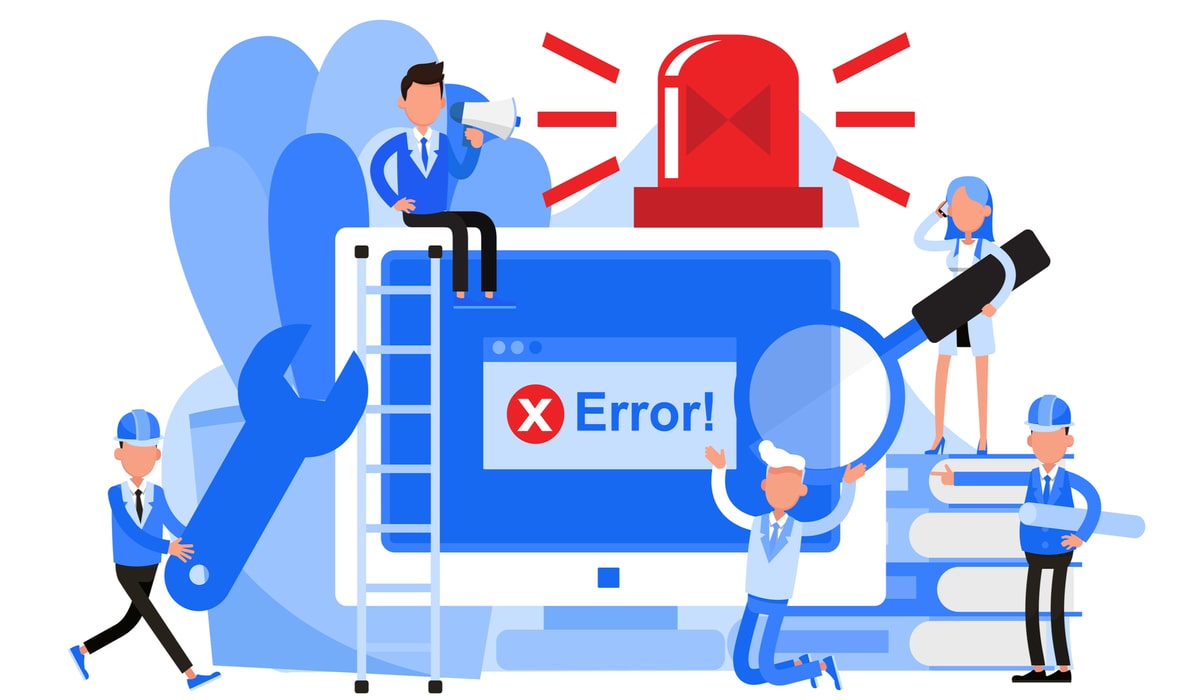


If a cyberattack prevents you from buying a product or consuming content, it's better to tell your customers about it.

How do small companies protect themselves from cyberattacks?

Since resources are limited, you will have to be especially careful.First and foremost, all information needs to be communicated to employees.

Here are specific steps to help deal with the threat:

  • Training. Many people simply don't realize how a virus can enter a system.For example, they might accidentally open a phishing email.So make a little cybersecurity checklist for people who work with information.


Paid antivirus. You'll have to pay money for it, but in return you'll get enhanced protection. Antivirus should be updated in a timely manner.
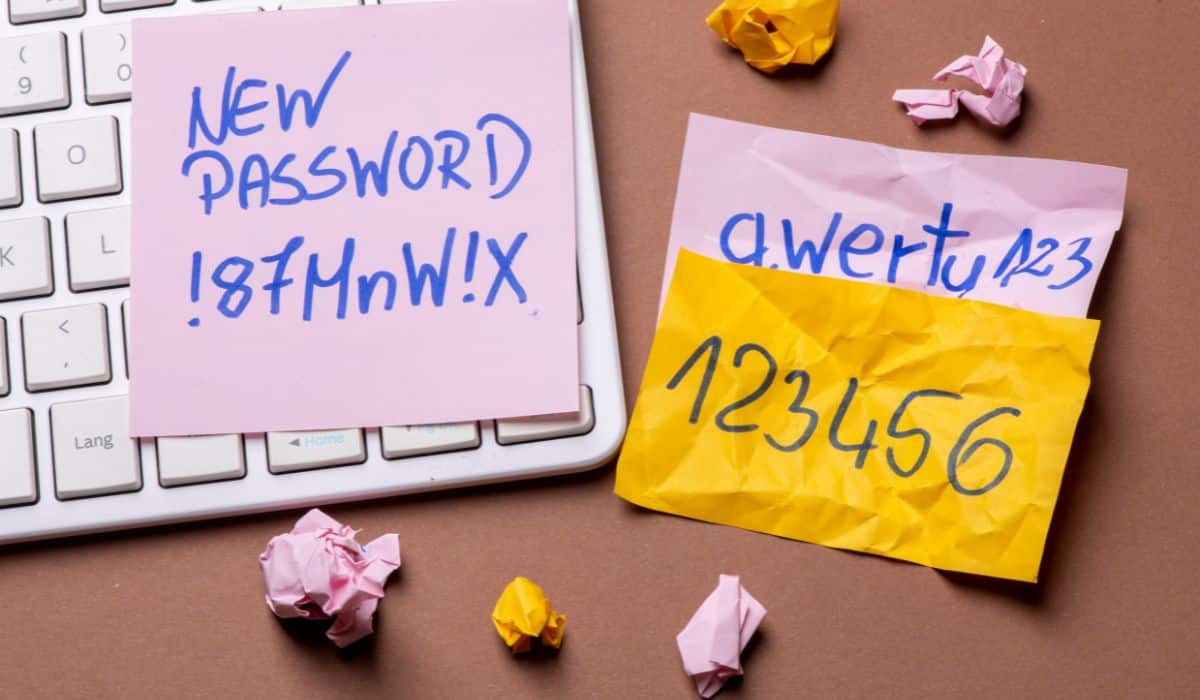

  • Make backups. There are special programs that help in solving this problem.But the storage where the data is located should be disconnected from the main network.

  • Data encryption. Attackers can steal information, but will not be able to decrypt it without special keys.
  • Wi-Fi protection. The WPA3 security standard will help, as well as a complex pre-shared key for authentication.
  • Creating strong passwords. There is a tactic called bruteforce.This is when a program tries to guess a password using brute force. This is how attackers crack simple passwords.


For protection, any code should include letters (lowercase and uppercase), numbers, and various characters (@!&).


  • Use of a firewall. This is an element that filters content passing through the network.It can block sites, prohibit sending confidential emails, etc. For stable operation, you need to regularly download the latest updates for the screen.
  • Use of virtual private network. Employees of the company can safely use the corporate network. This method is especially good for remote or business trips.In essence, this is a VPN, in open networks, such a method does not allow to steal data.
  • Prevent physical theft. Equipment and data can be stolen using a thumb drive. Coaching, employee tracking and trackers that monitor equipment locations will help here.

You can't forget about cell phones. Passwords and apps that detect viruses will help with protection.
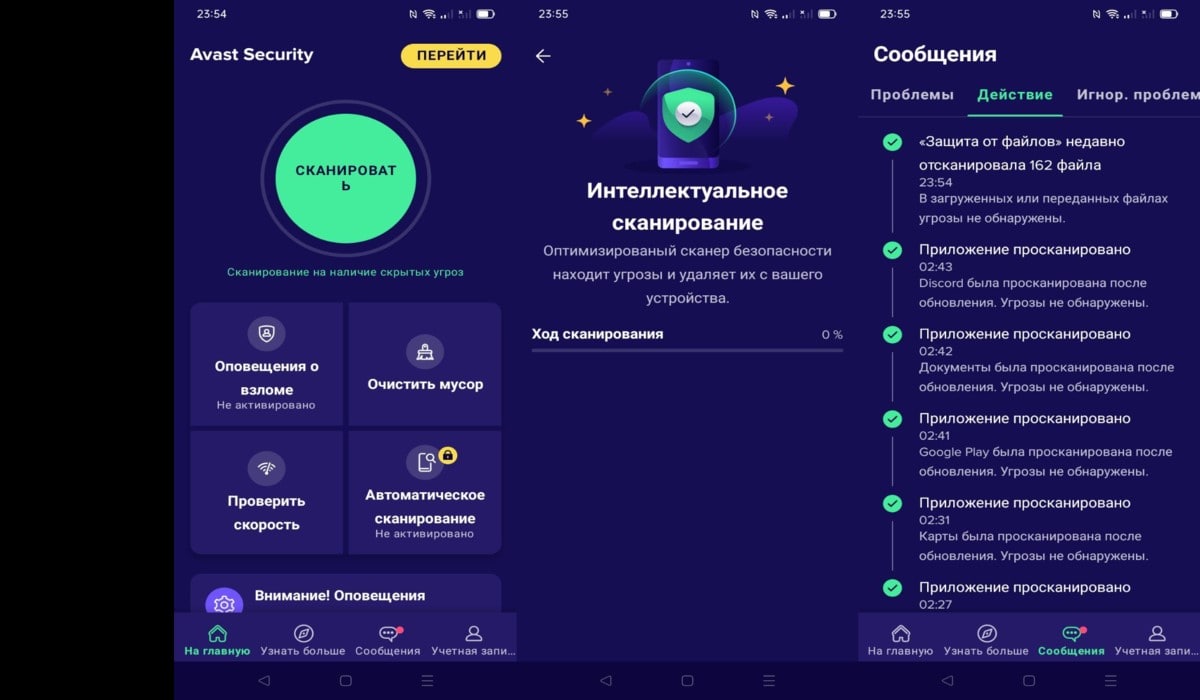


You need an antivirus for your smartphone, too.If you do not know which one to choose, just download Avast.


The most massive cyberattacks

          WannaCry virus

Infected more than 500,000 computers since 2017, the estimated amount of damage is 1 billion dollars. WannaCry infiltrated the system and encrypted all data. Then he demanded money for unlocking them, but after the transfer nothing happened.

Presumably, this is due to the fact that the code was not completed. Perhaps the ransomware was released ahead of time. Marcus Hutchins solved the problem. He noticed that before encryption, the virus sends a request to a non-existent domain.Marcus registered this domain, after which WannaCry became harmless.

The attackers were never found, there are only suspicions concerning different organizations.Government agencies and various companies were affected, and some hospitals were unable to perform emergency operations.
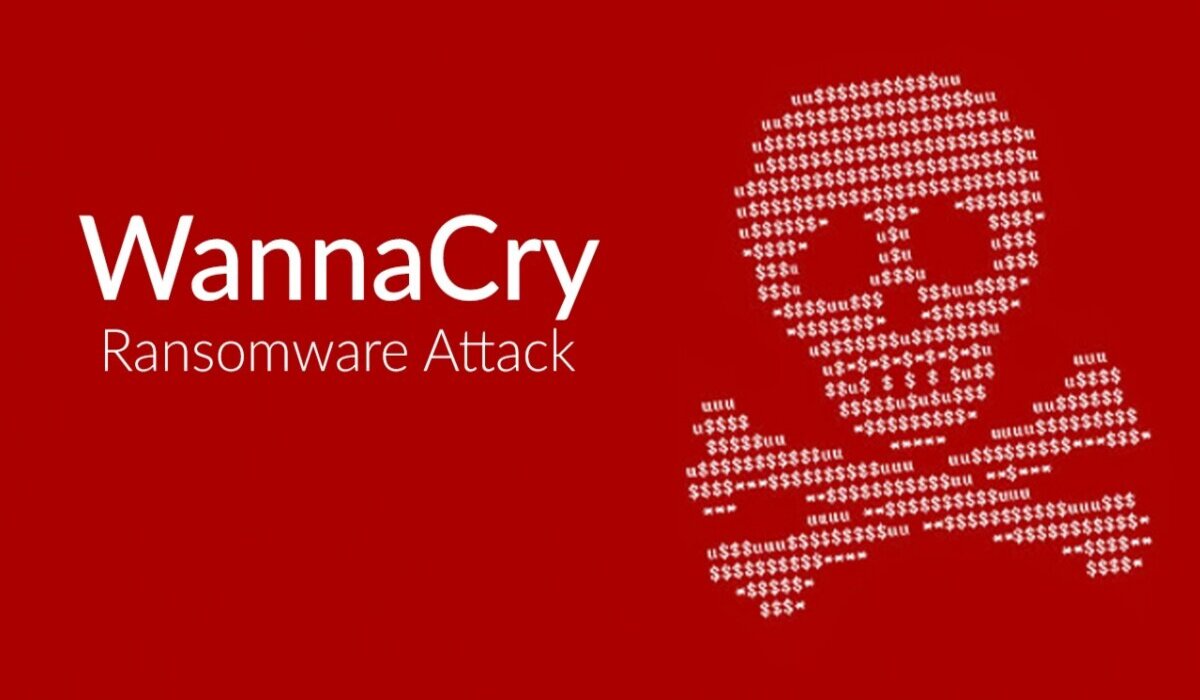


WannaCry spread independently through local and global networks.

          Petya virus

Acted in the same way as WannaCry, appeared between 2016 and 2017. Experts believe that there were actually two viruses, as the codes do not overlap (the second one is often called New Petya).When the attacker program infiltrated the PC, it encrypted all the data on the hard drive (including the data needed to boot the OS) and demanded a ransom in bitcoins.But when the required amount was transferred, all information was erased from the PC.

Ukraine suffered the most from the cyberattack, although attacks occurred in other countries as well.The total damage amounted to about 10 billion dollars.WannaCry protection did not save from the Petya virus.

          Facebook hack

In 2020, there was a data breach involving 250+ million Facebook users. Since the firm is large, it was forced to pay about $5 billion dollars in fines. Even though big companies regularly update their defenses, it often just doesn't work.


No one is immune to having their data stolen from social networks or large organizations.


Cyberattacks are also sometimes carried out on famous personalities. In 2014, big stars' IClouds were hacked, causing personal photos to go online. They were then published on 4Chan. Among the victims were Kim Kardashian, Jennifer Lawrence and others.


Cyberattacks affect not only big companies but also ordinary people. That's why we came up with a course on the basics of cybersecurity for children. It covers web vulnerabilities, viruses and ways to protect your secrets from scammers.


Sign up for a course
Registration completed successfully!
An error occurred. Please inform the administrator
You have sent many applications. try later
Your name and surname
This field is required
Your phone
+1
  • Russian Federation (Российская Федерация)+7
  • Belarus(Беларусь)+375
  • Afghanistan(افغانستان)+93
  • Åland Islands+358
  • Albania(Shqipëri)+355
  • Algeria(الجزائر)+213
  • American Samoa+1
  • Andorra+376
  • Angola+244
  • Anguilla+1
  • Antarctic+672
  • Antigua and Barbuda+1 (268)
  • Argentina+54
  • Armenia(Հայաստան)+374
  • Australia+61
  • Austria(Österreich)+43
  • Azerbaijan(Azərbaycan)+994
  • Bahamas+1 (242)
  • Bahrain(البحرين)+973
  • Bangladesh(বাংলাদেশ)+880
  • Barbados+1 (246)
  • Belgium(België)+32
  • Belize+501
  • Benin(Bénin)+229
  • Bolivia+591
  • Bosnia and Herzegovina+387
  • Botswana+267
  • Brazil+55
  • Brunei+673
  • Bulgaria(България)+359
  • Burkina Faso+226
  • Burundi(Uburundi)+257
  • Cambodia(កម្ពុជា)+855
  • Cameroon(Cameroun)+237
  • Canada+1
  • Cape Verde(Kabu Verdi)+238
  • Central African Republic+236
  • Chad(Tchad)+235
  • Chile+56
  • China(中国)+86
  • Colombia+57
  • Comoros(جزر القمر)+269
  • Cook Islands+682
  • Costa Rica+506
  • Croatia(Hrvatska)+385
  • Cuba+53
  • Cyprus(Κύπρος)+357
  • Czech(Česká republika)+420
  • Denmark(Danmark)+45
  • Djibouti+253
  • Dominica+1 (767)
  • Dominican Republic(República Dominicana)+1
  • DR Congo+243
  • Ecuador+593
  • Egypt(مصر))+20
  • Equatorial Guinea(Guinea Ecuatorial)+240
  • Eritrea+291
  • Estonia(Eesti)+372
  • Ethiopia+251
  • Fiji+679
  • Finland+358
  • France+33
  • Gabon+241
  • Gambia+220
  • Georgia(საქართველო)+995
  • Germany+49
  • Ghana+233
  • Great Britain+44
  • Greece+30
  • Grenada+1 (473)
  • Guatemala+502
  • Guinea(Guinea Ecuatorial)+240
  • Guyana+592
  • Haiti+509
  • Honduras+504
  • Hong Kong(香港)+852
  • Hungary+36
  • Iceland+354
  • India(भारत)+91
  • Indonesia+62
  • Iran+98
  • Iraq(العراق))+964
  • Ireland+353
  • Israel(ישראל)+972
  • Italy(Italia)+39
  • Jamaica+1
  • Japan(日本)+81
  • Jordan+962
  • Kazakhstan+7
  • Kenya+254
  • Kiribati+686
  • Kuwait(الكويت)+965
  • Kyrgyzstan(Кыргызстан)+996
  • Laos(ລາວ)+856
  • Latvia(Latvija)+371
  • Lebanon(لبنان)+961
  • Lesotho+266
  • Liberia+231
  • Libya(ليبيا)+218
  • Liechtenstein+423
  • Lithuania(Lietuva)+370
  • Luxembourg+352
  • Madagascar(Madagasikara)+261
  • Malawi+256
  • Malaysia+60
  • Maldives+960
  • Mali+223
  • Malta+356
  • Marshall Islands+692
  • Mauritania(موريتانيا)+222
  • Mauritius(Moris)+230
  • Mexico(México)+52
  • Micronesia+691
  • Moldova(Republica Moldova)+373
  • Monaco+377
  • Mongolia(Монгол)+976
  • Montenegro(Crna Gora)+382
  • Morocco(المغرب)+212
  • Mozambique(Moçambique)+258
  • Myanmar(Burma)+95
  • Namibia(Namibië)+264
  • Nauru+674
  • Nepal(नेपाल)+977
  • Netherlands(Nederland)+31
  • New Zealand+64
  • Nicaragua+505
  • Niger(Nijar)+227
  • Nigeria+234
  • Niue+683
  • North Korea+850
  • North Macedonia+389
  • Norway(Norge)+47
  • Oman+968
  • Pakistan+92
  • Palau+680
  • Panama+507
  • Papua New Guinea+675
  • Paraguay+595
  • Peru(Perú)+51
  • Philippines+63
  • Poland(Polska)+48
  • Portugal+351
  • Qatar(قطر)+974
  • Romania(România)+40
  • Rwanda+250
  • Saint Kitts and Nevis+1 (869)
  • Saint Lucia+1 (758)
  • Saint Vincent and the Grenadines+1 (784)
  • Salvador+503
  • Samoa+685
  • San Marino+378
  • Sao Tome and Principe(São Tomé e Príncipe)+239
  • Saudi Arabia+966
  • Senegal(Sénégal)+221
  • Serbia(Србија)+381
  • Seychelles+248
  • Sierra Leone+232
  • Singapore+65
  • Slovakia(Slovensko)+421
  • Slovenia(Slovenija)+386
  • Solomon Islands+677
  • Somalia(Soomaaliya)+252
  • South Africa+27
  • South Sudan+211
  • Spain(España)+34
  • Sri Lanka(ශ්‍රී ලංකාව)+94
  • Sudan+211
  • Suriname+597
  • Sweden(Sverige)+46
  • Switzerland(Schweiz)+41
  • Syria+963
  • Tajikistan+992
  • Tanzania+255
  • Thailand(ไทย)+66
  • The Republic of Korea(대한민국)+82
  • Togo+228
  • Tonga+676
  • Trinidad and Tobago+1 (868)
  • Tunisia+216
  • Turkey(Türkiye)+90
  • Turkmenistan+993
  • Tuvalu+688
  • Uganda+256
  • Ukraine(Україна)+380
  • United Arab Emirates+971
  • Uruguay+598
  • USA+1
  • Uzbekistan(Oʻzbekiston)+998
  • Vanuatu+678
  • Vatican(Città del Vaticano)+39
  • Venezuela+58
  • Vietnam+84
  • Virgin Islands+1
  • Yemen(اليمن)+967
  • Zambia+260
  • Zimbabwe+263
This field is required
Your e-mail
Invalid e-mail entered
Registration completed successfully!
An error occurred. Please inform the administrator
You have sent many applications. try later
Your name and surname
This field is required
My city
This field is required
Your e-mail
Invalid e-mail entered
Message
This field is required
Pre-entry
Registration completed successfully!
An error occurred. Please inform the administrator
You have sent many applications. try later
Your name and surname
This field is required
Child's name
This field is required
My city
This field is required
Your phone
This field is required
Your e-mail
Invalid e-mail entered
Start month
October 2026
November 2026
December 2026
Request a call
Thank you, the administrator will contact you as soon as possible.
Something went wrong, try to send the request later.
You have sent many applications. try later
Your name and surname
This field is required
Your phone
+1
This field is required
Something went wrong, try to send the request later.
You have sent many applications. try later
Your name and surname
This field is required
Your phone
This field is required
Order certificate
Thank you, the administrator will contact you as soon as possible.
Something went wrong, try to send the request later.
You have sent many applications. try later
Your name and surname
This field is required
My city
This field is required
Your phone
This field is required
Your e-mail
Invalid e-mail entered
Pay for the classes
Thank you!
Registration form is submitted, manager will contact you shortly!
An error occurred. Please inform the administrator
You have sent many applications. try later
Name and surname of the child
This field is required
Your e-mail
Invalid e-mail entered
The amount of payment
Please type an integer number
Give feedback
Thank you for your feedback.
Something went wrong, try to send the request later.
You have sent many applications. try later
Your name and surname
This field is required
Your photo
Your e-mail
Invalid e-mail entered
Rate us
Review
This field is required
Registration completed successfully!
Close
For registration and with any questions, please contact us by phone +46 76-584 77 40 or email [email protected]
Close
Close
Выберите языкChoose a languageТілді таңдаңызВиберіть мовуSélectionnez la langueSprache wählen
Choose a language
RU
EN
KZ
UA
FR
DE
OK
Preview